Sul Ross State University’s H. Joaquin Jackson Law Enforcement Academy, hosted by Lamar State College Orange, prepares cadets to serve small-town and rural communities across Texas. The academy’s basic police program goes beyond TCOLE’s 736-hour Basic Peace Officer Course, and cadets enrolled through LSCO earn 24 college credit hours and a Law Enforcement Academy certificate on the way to becoming a Texas peace officer.
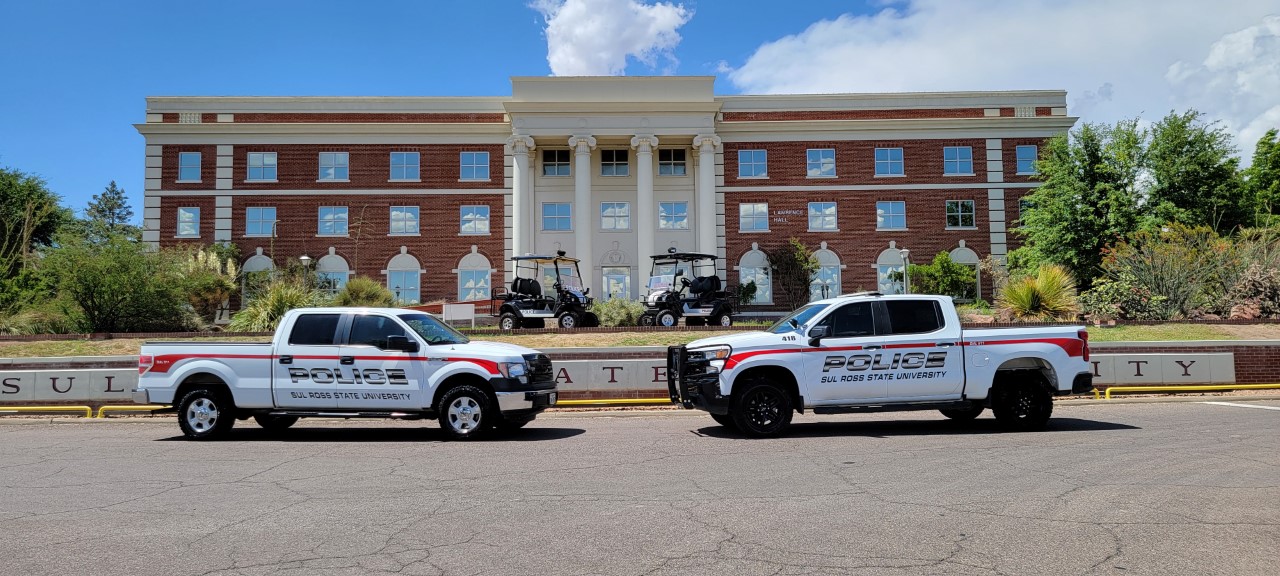
Law Enforcement Academy
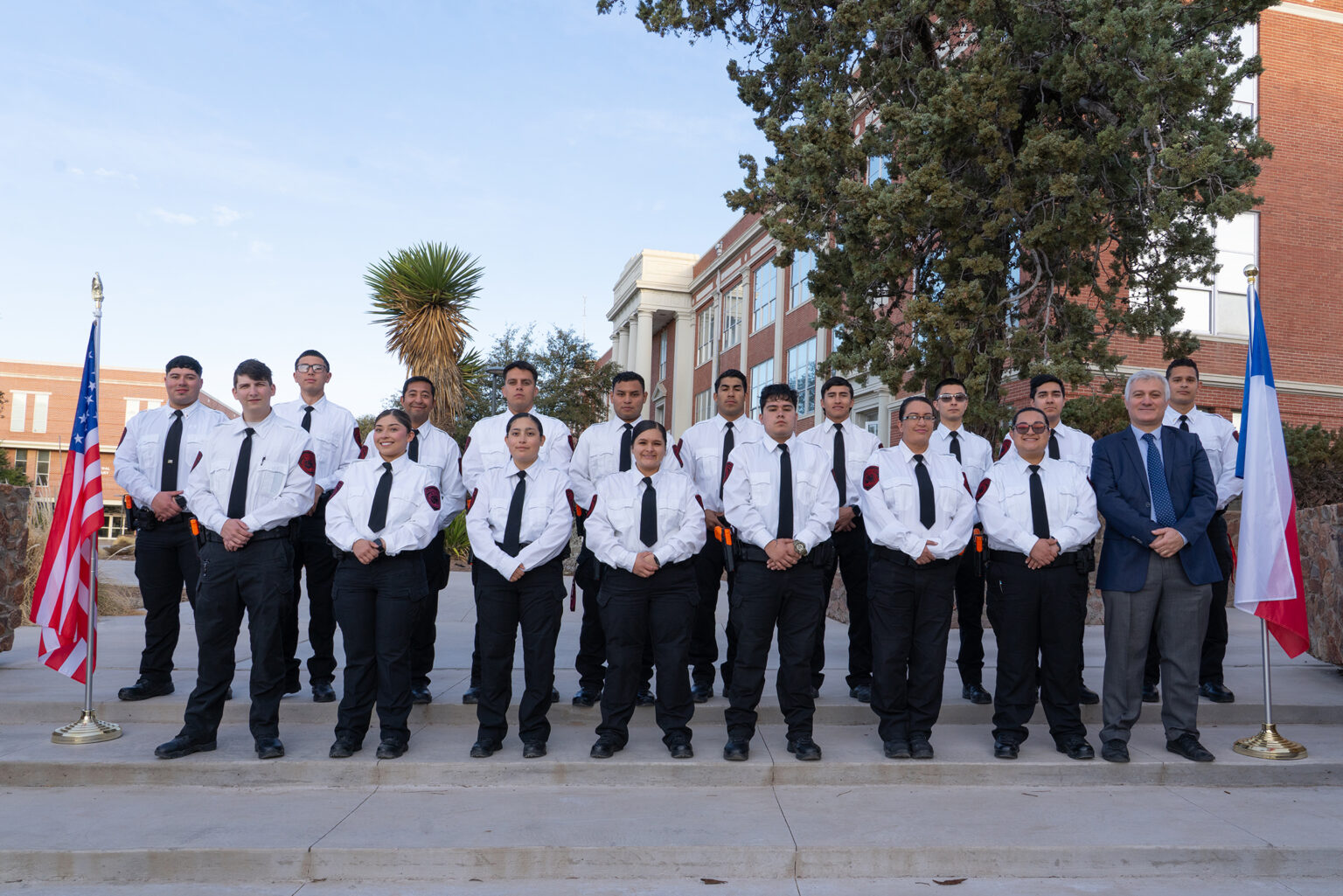
Your Path to a Career in Law Enforcement
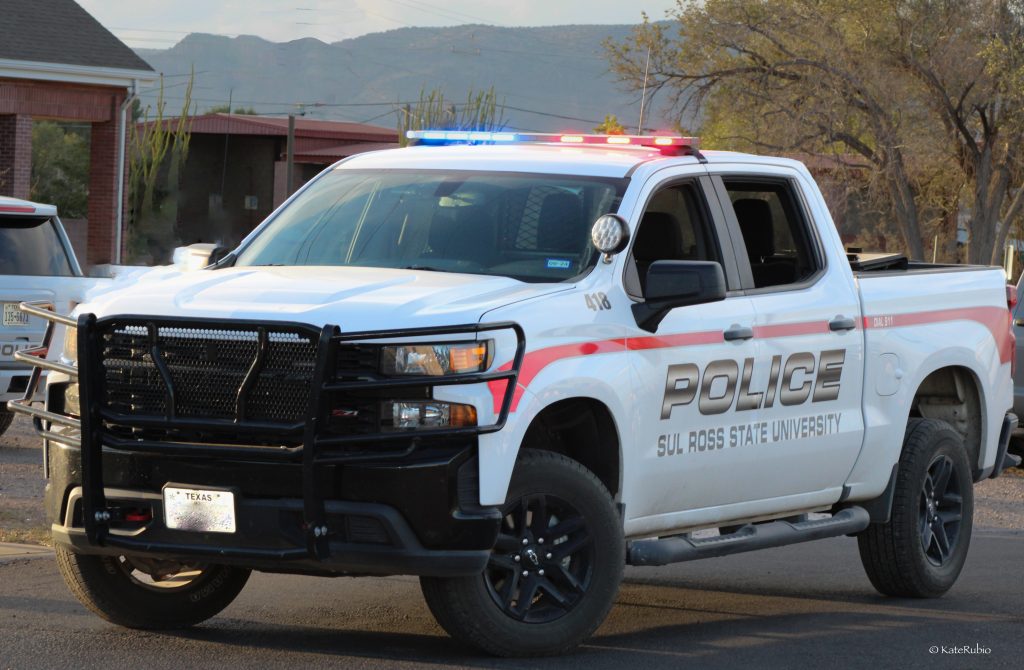
Paying for the Academy
Tuition for the academy is $2,990 and covers textbooks, uniforms, training ammunition, and most of the equipment cadets need. As full-time LSCO students, cadets may qualify for financial aid, and military veterans may be eligible for funding toward tuition and living expenses.
Financial Aid
About LSCO
Dedicated to empowering students and strengthening Southeast Texas, Lamar State College Orange serves thousands each year through affordable, career-focused programs and academic pathways.
Learn MoreProgram Requirements
- Meet TCOLE’s minimum standards for licensure as a Texas peace officer.
- Complete the academy pre-screening form and the LSCO at Sul Ross Academy application.
- Pass physical and psychological examinations, fingerprinting, and a background check.
- Maintain full-time enrollment and academic status at LSCO throughout the academy.
- Be prepared for strenuous physical training, including arrest tactics, takedowns, and self-defense.
Frequently Asked Questions
What is the Law Enforcement Academy?
The H. Joaquin Jackson Law Enforcement Academy is a Sul Ross State University basic
police academy hosted by Lamar State College Orange. It focuses on training officers
for small-town and rural agencies while giving cadets the chance to earn college credit.
The academy has been certified by TCOLE since May 1982.
What happens after I complete the academy?
Graduates are eligible to sit for the TCOLE Basic Peace Officer Examination. Cadets
who score 70 percent or higher become TCOLE certified and eligible for employment
with Texas law enforcement agencies.
Does the academy count toward a degree?
Yes. Cadets complete 24 semester credit hours and earn the Law Enforcement Academy
certificate, which can be applied toward LSCO’s Criminal and Forensic Science Associate
of Applied Science (AAS) degree.
Does the academy offer training for current officers?
Yes. Each semester, the academy offers continuing education and in-service courses
ranging from four to 40 hours for law enforcement and corrections personnel. These
courses meet TCOLE-mandated training requirements.
How do I start the application process?
Begin by completing the pre-screening form, which determines whether you meet the academy’s minimum admission standards. Completing
the form does not guarantee admission. You will also need to submit the LSCO at Sul Ross Academy Application.
What does the full application involve?
The process includes extensive paperwork, physical and psychological examinations,
fingerprinting, and a background check. Contact the Law Enforcement Academy office
for guidance.
Who is eligible to apply?
The basic police academy is open to anyone who meets TCOLE requirements for certification
as a Texas peace officer. In-service and continuing education courses are open to
certified law enforcement and corrections personnel.
How much does the academy cost?
Tuition is $2,990 for all applicants. Payments can be made online, and payment plans are available.
What is included in tuition?
Tuition covers basic classroom supplies, textbooks, uniforms, handgun ammunition,
TASER cartridges, OC spray, and other training materials. Cadets without personal
gear are issued duty belts, holsters, firearms, and handcuffs for the length of the
program. Some items must be returned at the end, and charges may apply for anything
not returned.
Are there additional costs?
Cadets should plan for meals, lodging, personal supplies, and any test-prep subscriptions
beyond the one included with tuition.
Is financial aid available?
Yes. Because cadets are full-time students, they may qualify for grants, scholarships,
and loans. Complete the FAFSA to be considered, and review LSCO’s financial aid policies and procedures. Assistance may also be available through the Texas Workforce Commission.
Are there benefits for veterans?
Military veterans may be eligible for funding toward tuition and living expenses.
Email financialaid@lsco.edu to check eligibility.
What firearms training will I receive?
Cadets train primarily on the Glock 9mm semi-automatic pistol, qualify on a 12-gauge
shotgun, and complete familiarization training on the AR-15 rifle.
How physically demanding is the academy?
Physical fitness is emphasized throughout the program, with many hours devoted to
arrest tactics, takedown techniques, and self-defense. Candidates who can’t participate
in strenuous physical activity should not apply.
Do academy cadets have access to LSCO services?
Yes. Cadets have full access to the resources and services offered by Lamar State
College Orange.
Contact
Who do I contact with questions?
Law Enforcement Academy Office: (432) 837-8614 | lea@sulross.edu
Melissa Fierro, Administrative Assistant: (432) 837-8166 | melissa.fierro@sulross.edu